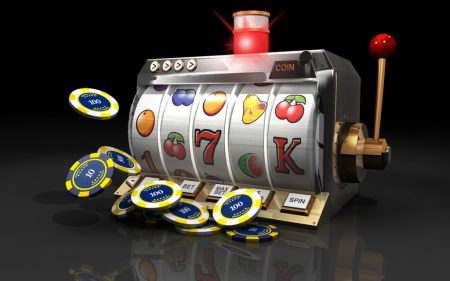



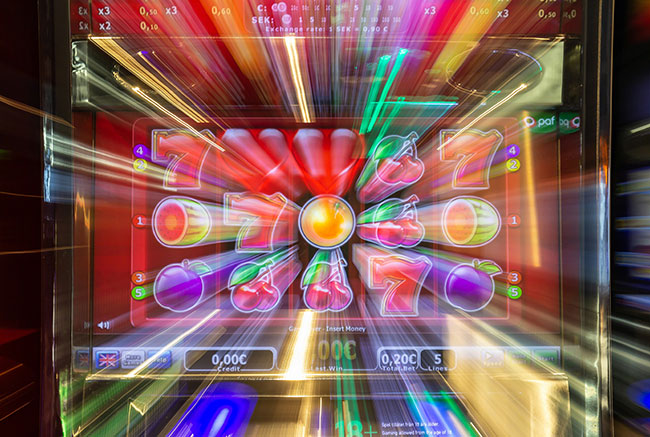
Many players believe that slot machines follow hidden patterns—winning cycles, hot streaks, or predictable payout rhythms. This belief is widespread in both physical casinos and online platforms. However, what feels like a pattern is often just randomness being interpreted as structure by the human brain.
Understanding how modern slot systems actually work can completely change how you view these games.
How Slot Machines Actually Work
Modern slot machines are powered by a system called a Random Number Generator (RNG). This is a computer algorithm that continuously produces thousands of number combinations every second—even when nobody is playing.
When you press the spin button, the machine simply “locks in” one of these random outcomes at that exact millisecond.
Key points:
- Every spin is independent
- Previous results do not influence future spins
- There is no memory of wins or losses
This means there are no built-in cycles or patterns that players can track reliably.
Why People Believe in Slot Patterns
Even though outcomes are random, players often believe they notice patterns in slot behavior. This happens due to psychological effects such as:
1. The Gambler’s Fallacy
This is the belief that a win is “due” after a series of losses. In reality, each spin has the same odds.
2. Pattern Recognition Bias
The human brain is wired to find structure—even in randomness. So streaks and clusters feel meaningful, even when they are not.
3. Memory Bias
Players tend to remember big wins and near-misses more than losses, which creates a distorted sense of frequency.
The Myth of “Hot” and “Cold” Slots
A common belief in slot gaming is that machines go through hot (frequent wins) and cold (few wins) phases.
In reality:
- A “hot streak” is just random clustering of wins
- A “cold streak” is also random distribution
- The machine does not change behavior based on results
While payout percentages exist (Return to Player or RTP), they apply over millions of spins—not short-term sessions.
Understanding RTP and Volatility
Although there are no patterns, slot games do have mathematical structures:
Return to Player (RTP)
This is the long-term average percentage a machine returns to players. For example, a 96% RTP means that over time, the game returns 96% of all wagered money.
Volatility
This describes how payouts are distributed:
- Low volatility: frequent small wins
- High volatility: rare but large wins
These factors influence experience but still do not create predictable patterns.
Why Slot Machines Feel “Close to Predictable”
Many players feel they are “almost figuring it out.” This is due to near-miss effects and variable reward systems.
For example:
- Two jackpot symbols appear, and the third just misses
- Wins happen after long losing streaks, reinforcing hope
These moments are designed to increase engagement but still remain fully random.
Can You Predict Slot Results?
The simple answer is no.
No strategy, timing method, or pattern tracking system can reliably predict outcomes in a slot machine. Any system claiming otherwise is based on misunderstanding or misinformation.
Even casinos and game developers cannot predict individual spins due to the nature of RNG systems.
Responsible Perspective on Slot Gaming
While slot games are designed for entertainment, it’s important to approach them with realistic expectations:
- Treat outcomes as random
- Set clear limits before playing
- Avoid chasing losses
- View it as entertainment, not income
Understanding randomness helps reduce frustration and unrealistic expectations.
Conclusion: The Reality Behind the Illusion
The idea of hidden patterns in slot machines is a powerful illusion created by human psychology, not mathematics. Every spin is independent, random, and unaffected by past results.
What feels like a pattern is simply randomness playing tricks on perception.
By understanding this, players can approach slot gaming with clearer expectations and a healthier mindset.