




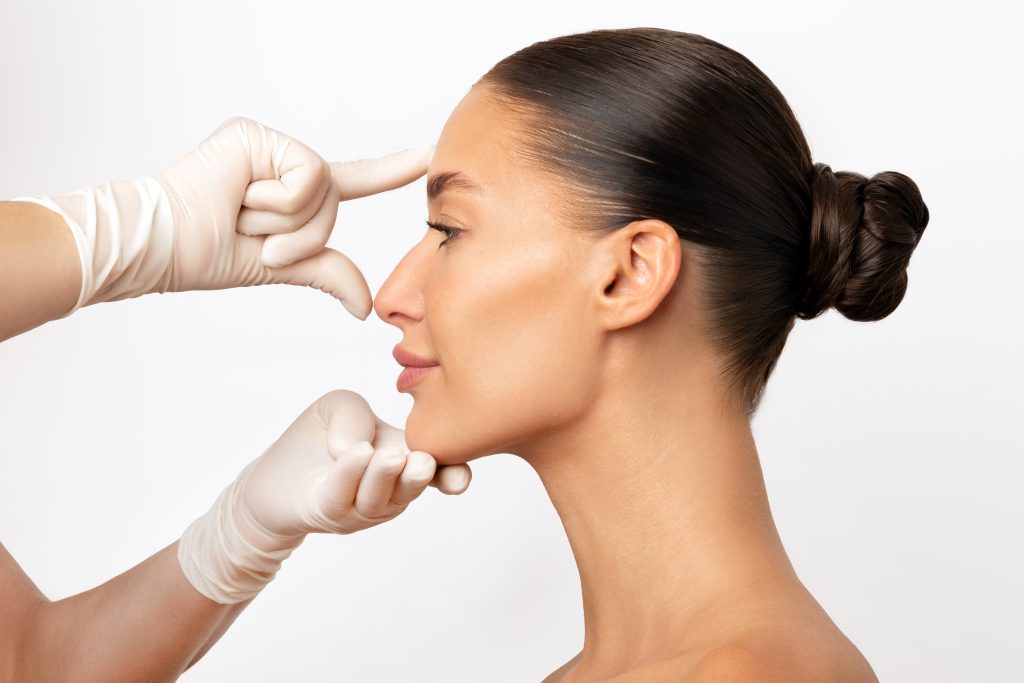
The chin and neck play an important role in the overall appearance of the face. Even when someone is at a healthy weight, localized fat beneath the chin can create a softer jawline or the appearance of a double chin. Genetics, aging, weight fluctuations, and natural fat distribution can all contribute to fullness in this area.
Lipo for the chin and neck is one facial-contouring option designed to address localized fat and create a more defined transition between the jawline and neck. However, achieving a balanced result involves more than simply removing fat. Skin elasticity, facial structure, muscle anatomy, and individual aesthetic goals all need to be considered before treatment.
What Is Chin and Neck Lipo?
Chin and neck lipo, often called submental liposuction, is a surgical procedure that removes localized fat from beneath the chin and around portions of the neck. A small cannula is used to carefully remove unwanted fat while preserving the natural contours of the surrounding tissues.
The objective is generally not to make the face dramatically thinner. Instead, treatment is intended to refine the lower facial profile, reduce excess fullness, and create clearer definition between the chin, jawline, and neck.
Because the treatment focuses on a relatively small anatomical area, precision is particularly important. Removing too much fat or creating uneven contours can produce an unnatural appearance, making proper assessment and technique essential.
What Facial Contouring Goals Can It Address?
One of the most common goals is reducing the appearance of a double chin. Excess submental fat can make the chin appear less prominent and cause the jawline to blend into the neck. Reducing this localized fullness may make the lower face look slimmer and more structured.
Another goal is improving jawline visibility. When excess fat obscures the natural border of the mandible, carefully reducing the surrounding fat can reveal more of the existing facial structure.
Some people also seek treatment because their side profile looks less defined than they would prefer. Creating a smoother transition from the chin to the neck can potentially improve facial proportions without changing the fundamental shape of the face.
Skin Elasticity Matters
Fat removal alone does not automatically tighten loose skin. This is one of the most important considerations when evaluating chin and neck contouring.
People with relatively firm, elastic skin may experience better natural retraction after fat removal. When skin has significant laxity because of aging, genetics, or substantial weight loss, removing fat may not be enough to produce a tight, defined neckline.
In such situations, a surgeon may discuss additional approaches, such as a neck lift or other skin-tightening procedures. The appropriate option depends on how much loose skin, muscle banding, and excess fat are present.
Chin Structure Can Affect the Result
The appearance of a double chin is not always caused entirely by excess fat. The underlying structure of the chin and jaw can also influence how the lower face looks.
A smaller or recessed chin may make the neck appear fuller even when the amount of submental fat is relatively modest. In selected cases, chin augmentation may be considered alongside fat reduction to improve overall facial balance.
This is why an individualized facial assessment is more useful than assuming every double chin should be treated in exactly the same way.
Lipo Versus a Neck Lift
Chin and neck lipo is primarily intended to reduce localized fat. A neck lift addresses a broader range of concerns, including loose skin, muscle laxity, and excess tissue.
Someone with good skin quality and a noticeable pocket of fat may potentially benefit from fat removal alone. Someone with substantial skin laxity may require a procedure capable of repositioning or removing excess skin.
In some cases, the procedures can be combined. The decision depends on anatomy, skin quality, age-related changes, and the patient’s desired degree of definition.
Nonsurgical Alternatives
Surgery is not the only approach to submental fullness. Depending on the cause and severity of the concern, nonsurgical treatments may also be discussed.
Fat-reduction injections can target certain forms of submental fat, while energy-based treatments may be used to address fat or encourage some degree of skin tightening. These approaches generally involve different treatment schedules, recovery experiences, and expected results compared with surgical fat removal.
Nonsurgical treatment may be appropriate for carefully selected individuals, but it is not necessarily interchangeable with surgical contouring. A consultation can help determine which approach matches the specific problem being treated.
Choosing a Qualified Provider
When considering chin or neck contouring, selecting an appropriately qualified and experienced surgeon is an important part of the process. During a consultation, the provider should evaluate the amount and location of fat, skin elasticity, jaw and chin structure, and any muscle or tissue laxity.
For someone researching liposuction The Woodlands, the same principles apply: the focus should be on finding a qualified medical professional who can evaluate individual anatomy, explain realistic outcomes, discuss alternatives, and clearly outline potential risks and recovery requirements.
Patients should also ask about the surgeon’s experience with facial and neck contouring, the type of facility where the procedure will be performed, anesthesia options, aftercare, and what happens if additional treatment is needed.
Recovery and Results
Recovery varies depending on the technique, amount of treatment, and whether other procedures are performed at the same time. Temporary swelling, bruising, tenderness, and tightness can occur after chin and neck lipo.
Patients may need to wear a compression garment for a period recommended by their surgeon. Early changes can be visible as swelling decreases, but the final contour generally becomes clearer as healing progresses.
It is also important to understand that the result is not simply determined by how much fat is removed. Smooth transitions and preservation of natural facial proportions are essential to achieving a balanced appearance.
Understanding the Risks
Like other surgical procedures, chin and neck lipo carries potential risks. These may include infection, bleeding, swelling, temporary or persistent numbness, contour irregularities, asymmetry, scarring, skin changes, and unfavorable aesthetic results.
There is also a risk that fat removal will not adequately address the underlying concern if loose skin, muscle laxity, or chin structure contributes significantly to the appearance of fullness.
A thorough consultation should include a discussion of individual risk factors and the expected benefits and limitations of treatment.
Is Chin and Neck Lipo Right for You?
The ideal candidate is not determined solely by age or weight. A person may be considered a candidate when they have localized fat beneath the chin or around the neck, reasonable skin elasticity, good general health, and realistic expectations.
People with significant loose skin or structural concerns may require a different approach or a combination of procedures.
Ultimately, the best treatment is the one that addresses the actual source of the concern rather than simply removing as much fat as possible.
Final Thoughts
Chin and neck lipo can be a useful facial-contouring option for people whose lower facial profile is affected primarily by localized fat. By carefully reducing excess fullness, treatment may enhance the visibility of the jawline and create a more defined relationship between the chin and neck.
However, successful facial contouring requires careful planning. Skin quality, facial proportions, chin projection, muscle anatomy, and the amount of excess fat all influence the appropriate treatment strategy. A personalized consultation with a qualified provider is therefore an important step before deciding whether chin and neck lipo is the right option.
