


Preparing your heating system before winter can help improve comfort, reduce unexpected breakdowns, and identify potential safety concerns before your furnace is needed regularly. Although Orange County generally experiences milder winters than many other parts of the country, cool nights can still put considerable demand on a heating system that may have been inactive for months.
A few simple homeowner checks, combined with professional maintenance when necessary, can make the transition into heating season much smoother. This guide explains what to inspect, what you can handle yourself, and when professional furnace repair Orange County services may be appropriate.
Why Winter Preparation Matters
Many Orange County heating systems spend much of the year operating less frequently than systems in colder climates. After months of limited heating use, problems such as dirty filters, worn components, airflow restrictions, thermostat issues, or ignition problems may not become obvious until the first cold evening.
Testing the system before winter gives homeowners time to address problems rather than discovering them when the house is already cold. Seasonal maintenance can also help identify mechanical and safety concerns before they develop into larger failures.
Start With the Air Filter
One of the easiest preparation steps is checking the furnace filter. A dirty or clogged filter can restrict airflow, making the system work harder and potentially contributing to overheating or short cycling.
Replace a disposable filter when it is visibly dirty or according to the manufacturer’s recommended schedule. Make sure the replacement filter is installed in the correct direction, following the airflow arrow printed on its frame.
Homes exposed to significant dust or airborne particles may require more frequent filter inspections. Checking the filter before heating season and continuing to monitor it during winter is a simple way to support proper airflow.
Test the Heating System Before You Need It
Don’t wait for the first genuinely cold night to discover whether your furnace works.
Set the thermostat to heating mode and allow the system to complete a normal heating cycle. Pay attention to whether warm air comes from the registers and whether the furnace starts and stops normally.
Watch for warning signs such as:
- Repeated starting and stopping
- Weak airflow
- Unusual rattling, grinding, or buzzing
- Failure to produce warm air
- Persistent unusual odors
- Repeated circuit-breaker trips
These symptoms can indicate that the system needs professional attention.
Check Your Thermostat Settings
Your thermostat may still be configured around your summer cooling schedule. Before winter arrives, review the programmed heating temperatures and make sure the thermostat is actually switching between heating and cooling correctly.
If you use a programmable or smart thermostat, update the schedule based on your winter routine. A properly configured thermostat can help maintain comfortable temperatures without unnecessarily running the heating system when nobody is home.
If the thermostat appears inaccurate or fails to activate the furnace consistently, professional inspection may be appropriate.
Keep Vents and Registers Clear
Furniture, rugs, curtains, and other household items can accidentally block heating registers. Restricted airflow can reduce comfort and make it harder for the system to distribute heat evenly.
Walk through each room before winter and make sure supply registers and return-air grilles are unobstructed. This is especially important in rooms that already tend to feel colder than the rest of the home.
If some rooms remain significantly colder despite clear vents, the problem may involve ductwork, airflow balance, insulation, or another HVAC issue.
Keep the Furnace Area Accessible
The area surrounding your furnace should remain clean and accessible. Avoid storing boxes, cleaning supplies, furniture, or other combustible materials immediately around the equipment.
Good access also makes maintenance and emergency service easier. If a technician needs to inspect the furnace, blocked access can make the job more difficult and delay diagnosis.
For equipment located in an attic, garage, closet, or utility area, homeowners should also make sure the normal access route is safe and unobstructed.
Check Carbon Monoxide Detectors
Homes with gas-burning heating equipment should have functioning carbon monoxide detectors. Before the heating season, test the detectors and replace batteries when necessary.
A professional furnace inspection can include examination of combustion and heat-exchanger components, which are important safety considerations for gas furnaces.
If a carbon monoxide alarm sounds, leave the area and follow appropriate emergency procedures rather than continuing to operate the furnace.
Pay Attention to Unusual Smells
A brief dusty smell when a furnace is first turned on after sitting unused can occur as accumulated dust is heated. However, persistent or unusual odors should not simply be ignored.
A gas smell, strong burning odor, or other persistent smell warrants turning off the equipment and seeking professional assistance. A technician can determine whether the problem involves combustion, electrical components, dust accumulation, or another issue.
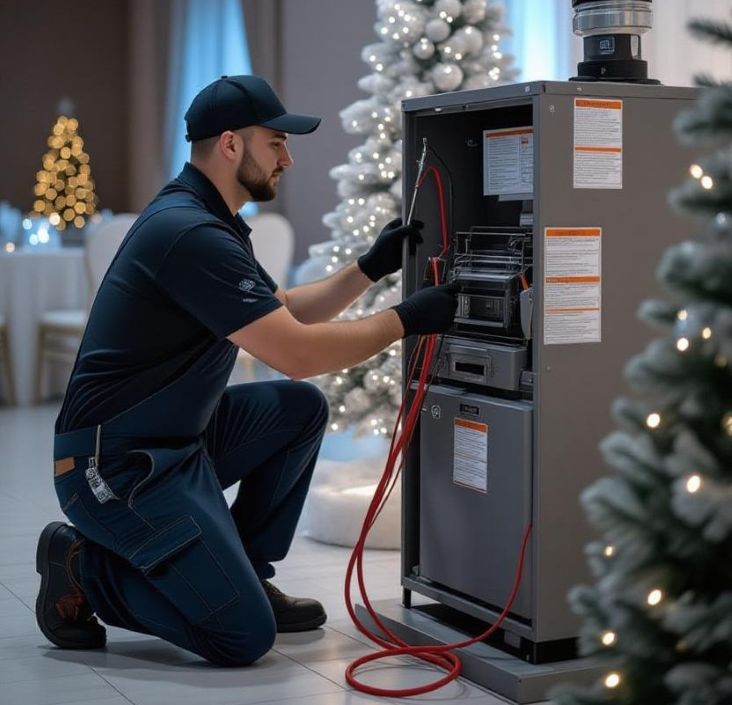
Schedule Professional Furnace Maintenance
Homeowners can safely perform several basic checks, but some furnace components require specialized equipment and training.
Professional maintenance may include inspecting:
- Heat-exchanger condition
- Burner and ignition components
- Electrical connections
- Blower operation
- Combustion and venting
- Safety controls
- Thermostat operation
- Airflow
- Gas pressure on applicable systems
These inspections can identify problems that are not visible during a basic homeowner check.
For gas furnaces, professional inspection is particularly important because combustion and venting problems can create serious safety concerns.
Don’t Ignore Small Problems
A furnace that makes a strange sound but continues operating may tempt homeowners to postpone service. However, unusual noises, weak airflow, repeated cycling, or inconsistent temperatures can be early indications of a developing problem.
Addressing these symptoms before winter demand increases can provide more time for diagnosis and repair. Waiting until a component fails completely can leave the household without heat when professional service is most needed.
Prepare for Uneven Heating
Winter preparation isn’t only about whether the furnace turns on. The system should also distribute heat effectively throughout the home.
If one bedroom is consistently cold while another becomes too warm, check that vents are open and unobstructed. If the problem continues, an HVAC professional may need to investigate ductwork, airflow restrictions, zoning, insulation, or equipment performance.
Uneven heating can sometimes indicate a problem that becomes more noticeable when the system changes from cooling to heating.
Furnace Preparation Checklist
Before winter arrives, homeowners can use this simple checklist:
- Inspect or replace the furnace filter.
- Switch the thermostat to heating mode and perform a test cycle.
- Review programmable thermostat settings.
- Clear furniture and objects away from registers.
- Keep the furnace area accessible.
- Test carbon monoxide detectors.
- Listen for unusual furnace noises.
- Watch for persistent unusual odors.
- Check for weak or inconsistent airflow.
- Arrange professional maintenance if problems appear.
When Furnace Repair May Be Necessary
Preparation can reveal problems that require more than routine maintenance. A furnace that will not start, repeatedly shuts down, produces inadequate heat, makes persistent mechanical noises, or shows other abnormal behavior should be evaluated rather than repeatedly reset.
Professional furnace repair Orange County services can help diagnose whether the issue involves the thermostat, ignition system, blower, electrical components, airflow, gas-related components, or another part of the heating system.
Final Thoughts
Preparing your furnace before winter is a straightforward way to improve household comfort and reduce the likelihood of unexpected heating problems. Start with simple tasks such as changing the filter, checking vents, testing the thermostat, and running the system before temperatures drop.
For gas furnaces and systems showing unusual symptoms, professional maintenance provides an additional level of inspection that basic homeowner checks cannot provide. Taking care of potential problems before winter arrives can make the heating season more comfortable, predictable, and safer.
